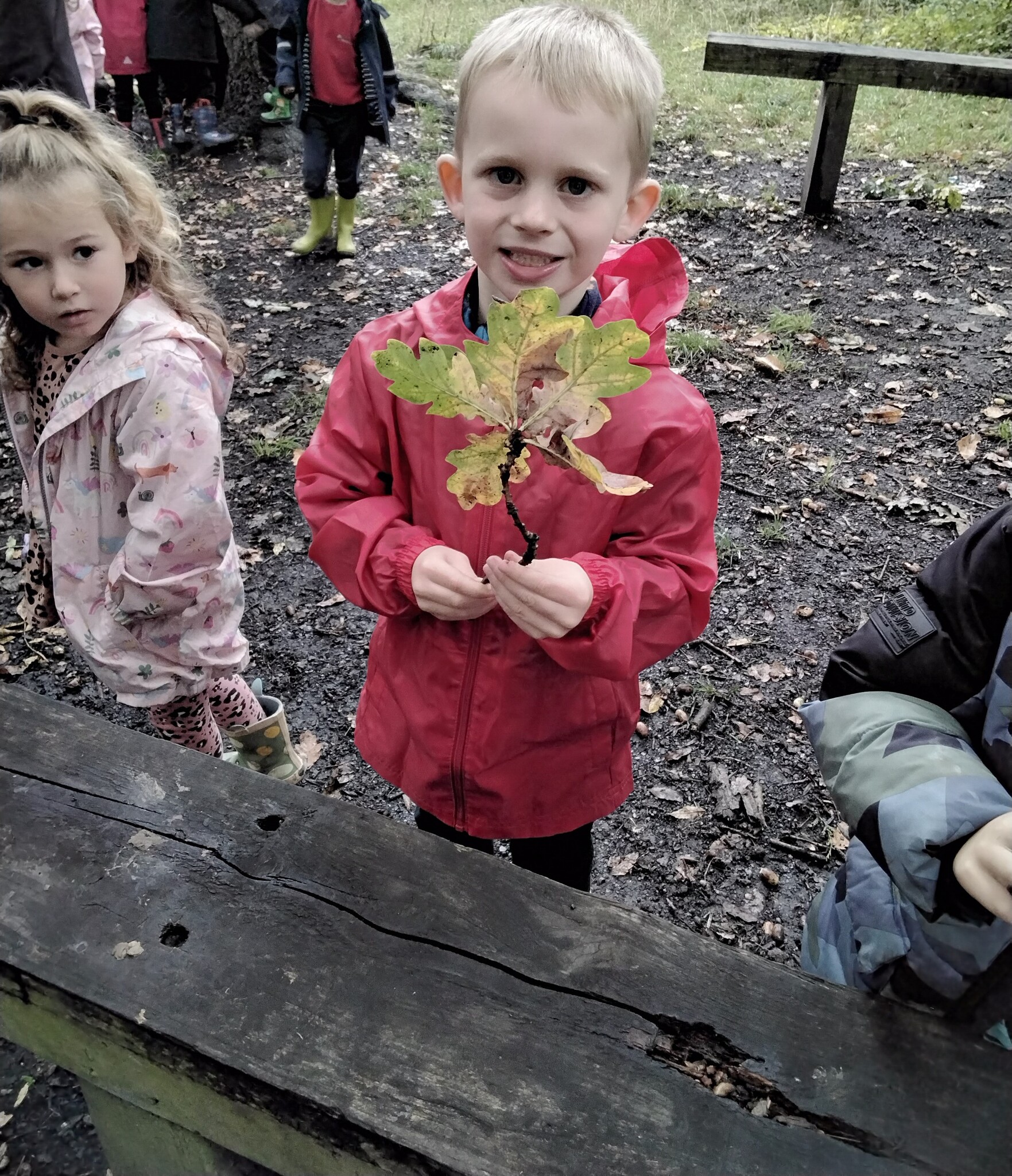
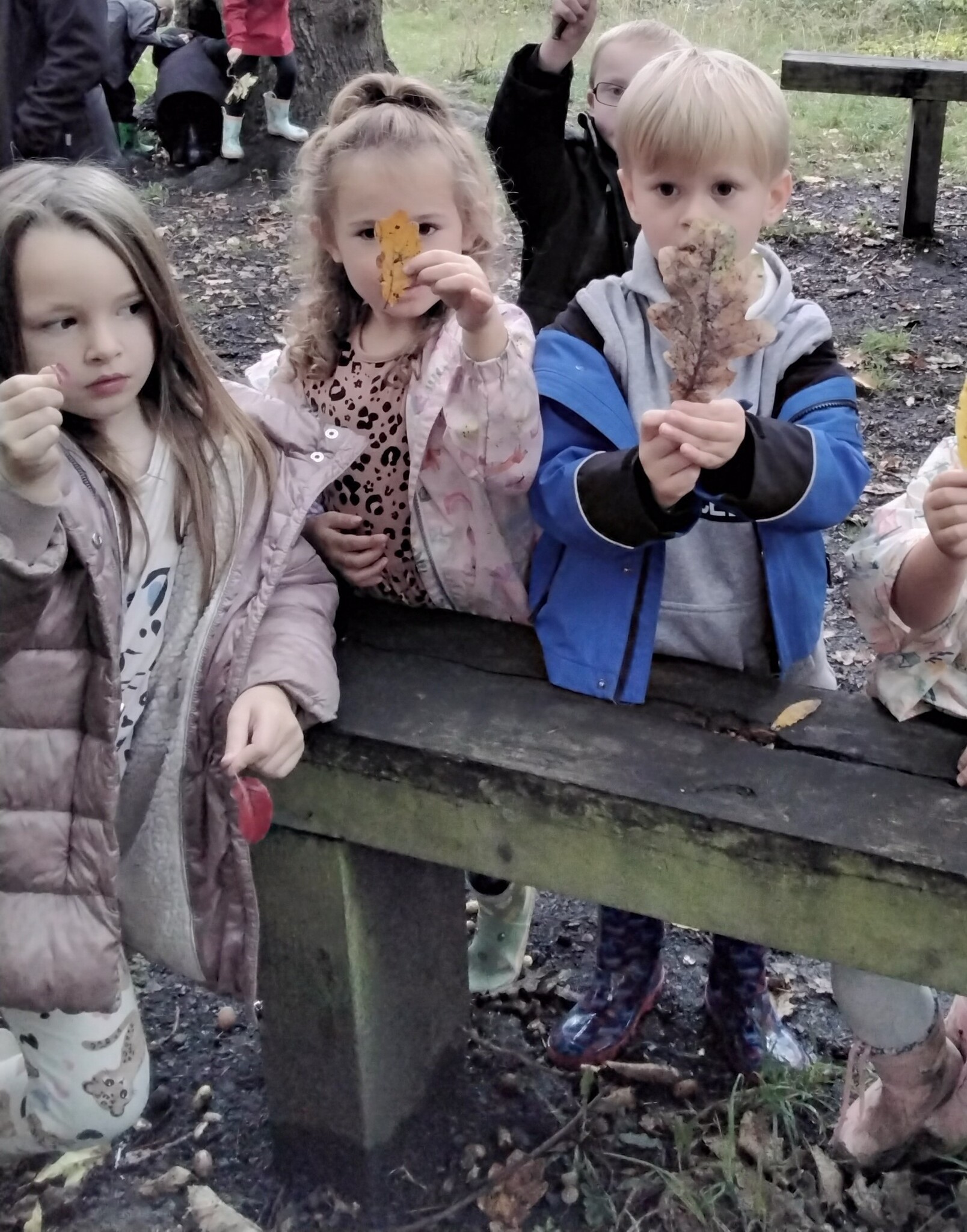
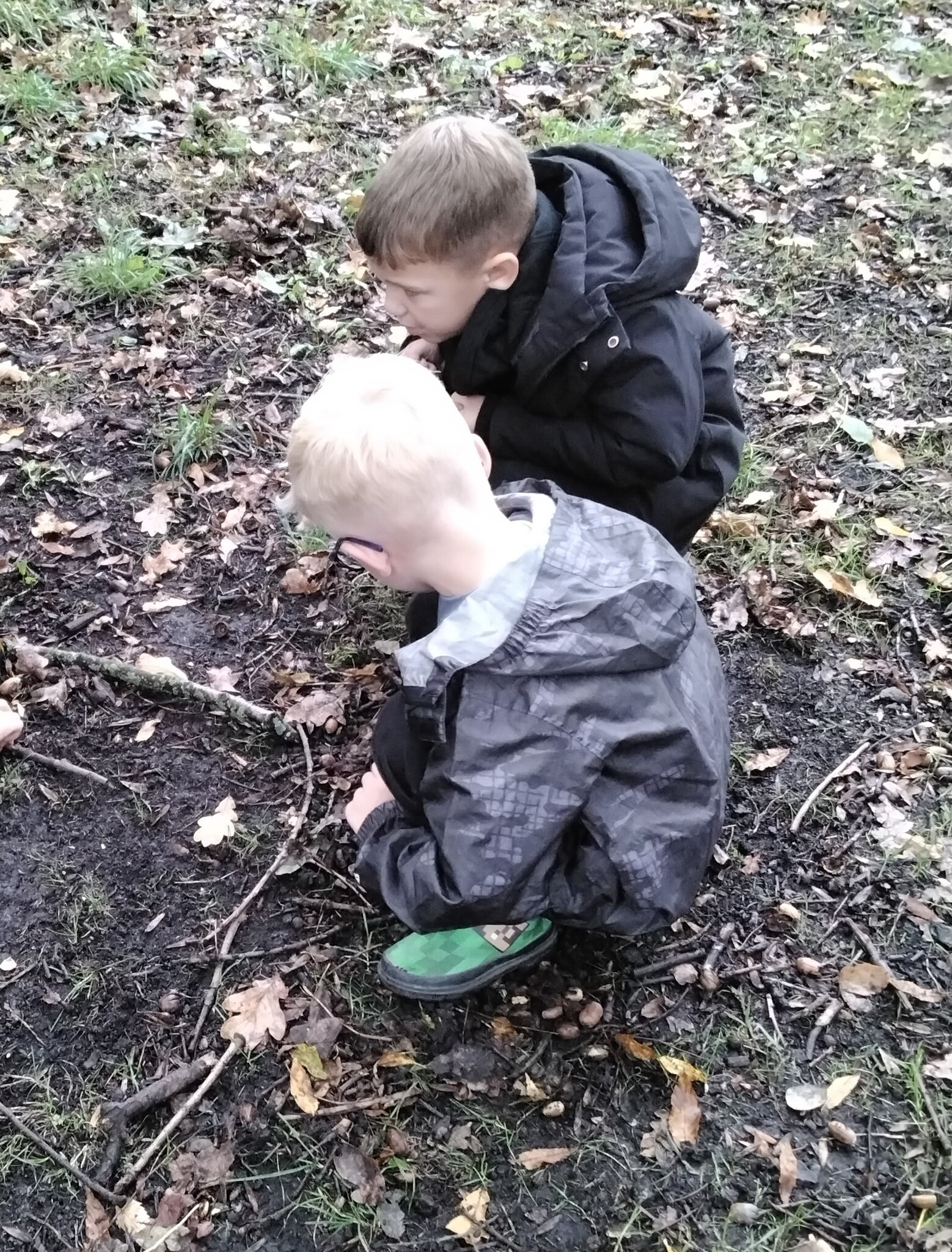
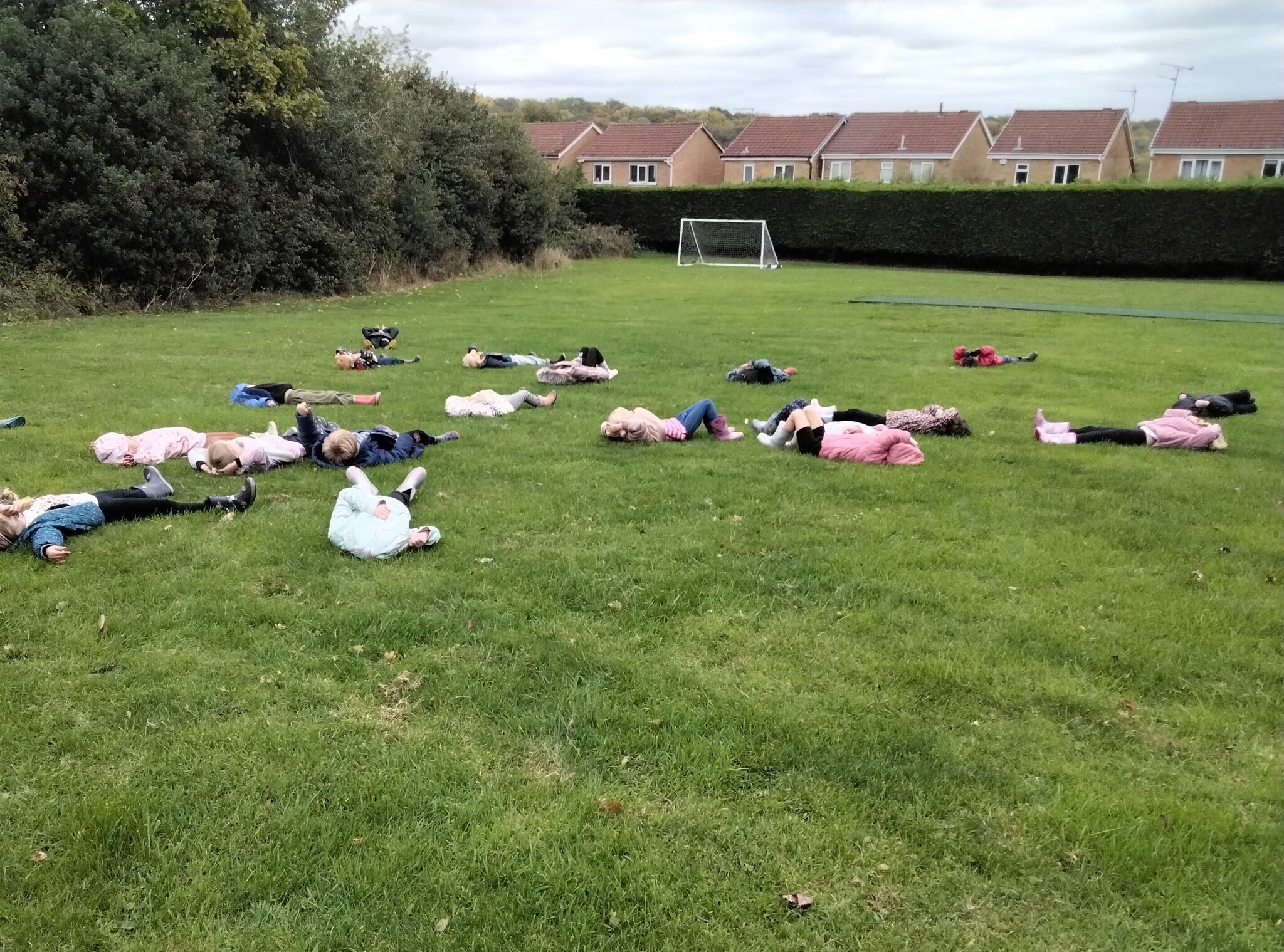
.jpeg)

We are a FOREST SCHOOL!
What does that really mean?
First of all, it means we are incredibly fortunate to have a beautiful, historic woodland right on our school grounds—a space filled with stories, wildlife, and opportunities for adventure.
High Green Woodland School sits behind High Green Primary School, nestled within a small triangular stretch of ancient woodland. The landscape hints at a past shaped by coal mining, yet today it is home to a thriving collection of mature, native trees, many over a century old. Among them you’ll find Beech, Oak, Sweet Chestnut, Field Maple, Elm, Elder, Sycamore, Hawthorn, Ash, and Pear—with the Field Maples standing proudly as particularly impressive specimens.
In spring and summer, the woodland bursts into life with carpets of Cow Parsley, buzzing insects, and birdsong that fills the air. We’ve carefully developed the space with an arched woodland entrance and a seating circle, creating a magical outdoor classroom where learning feels alive.
As well as our magical woodland, we are also incredibly lucky to have our allotment, field and even a secret garden to enjoy. The field is where we can sit around the fire on our log chairs. Our secret garden is a magical place to tell stories from the wooden throne and in the allotment, we can plant and harvest fruits and vegetables to cook and to donate to our local food banks.
Secondly, being a Forest School means that…
We deeply understand the power of nature. We value how stepping into the woodland can transform learning, wellbeing, and connection. We know that outdoor learning is not just beneficial—it’s exciting, inspiring, and enriching for every child.
At Forest School, children don’t just learn about the natural world—they become part of it.
What do we do in Forest School?
Examples of activities include:
Building dens and shelters using branches, tarps, and teamwork
Learning to safely light and manage a small fire for warmth or cooking
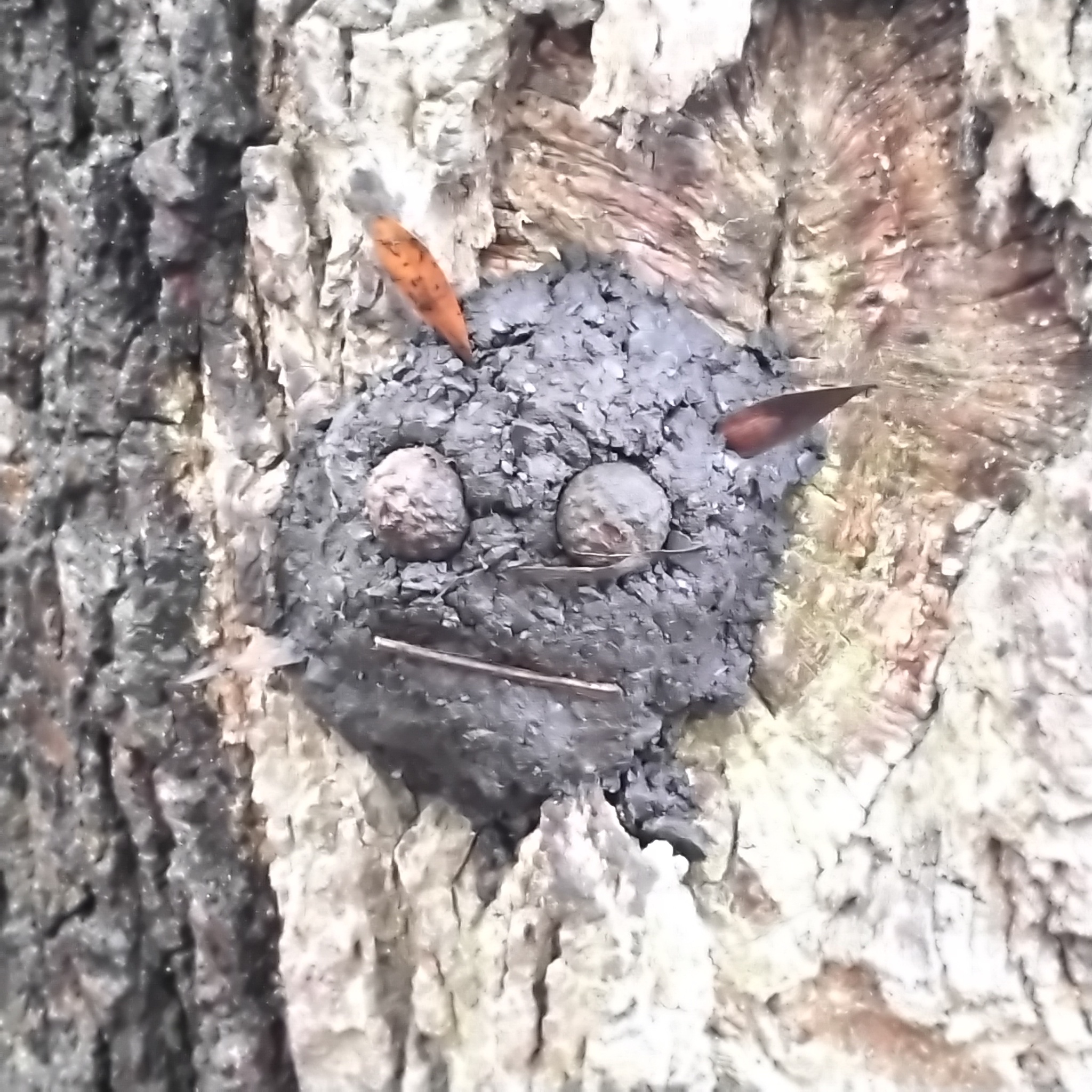
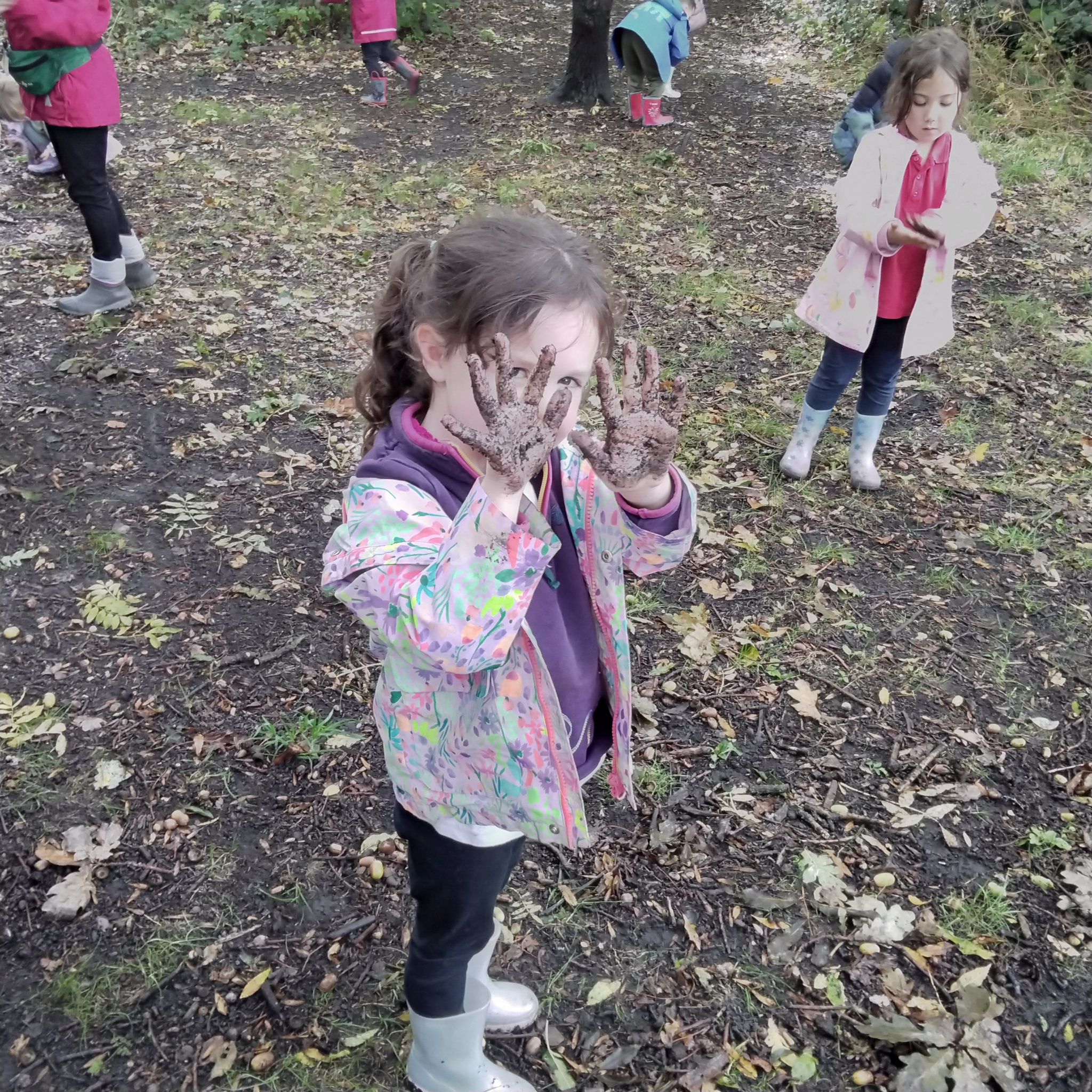
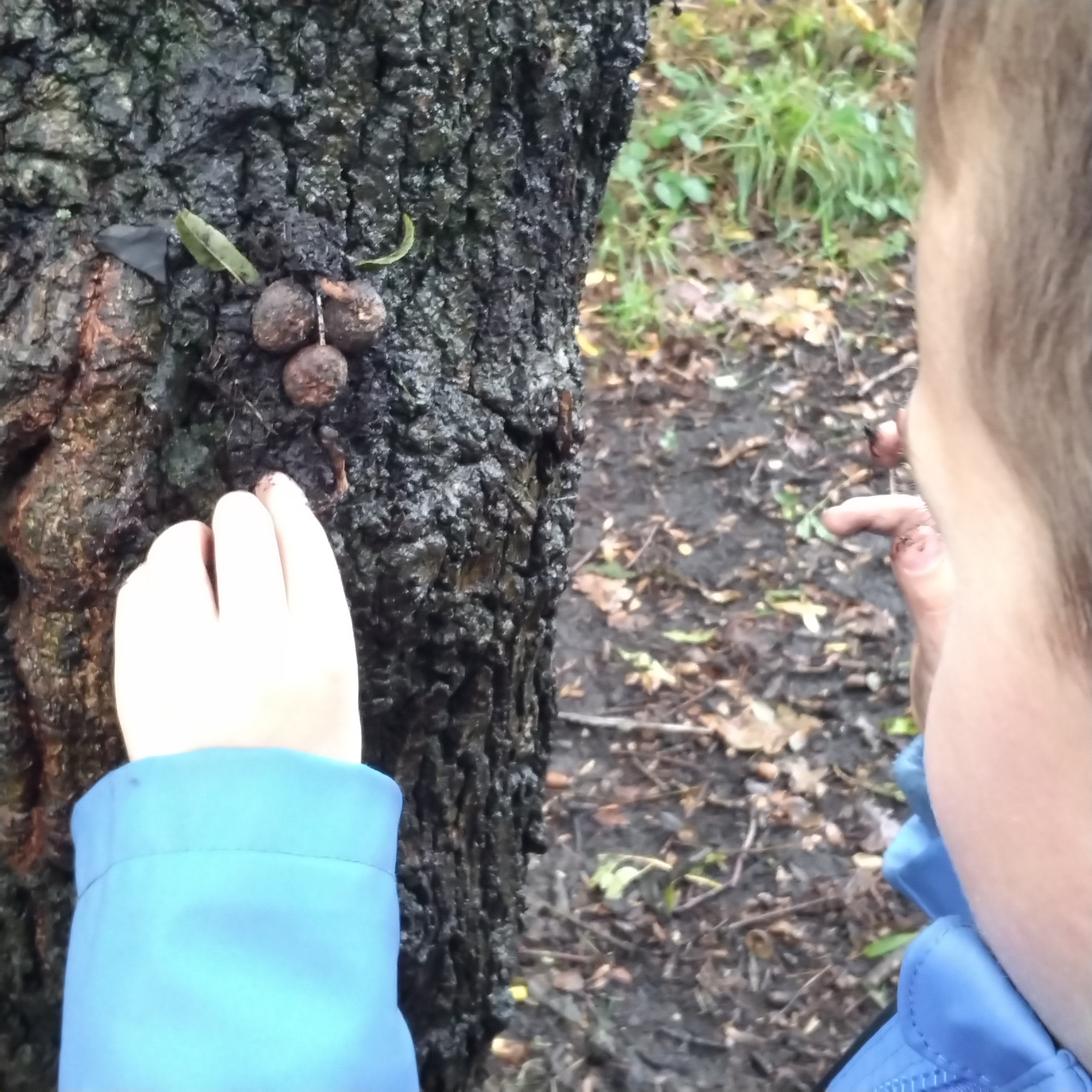
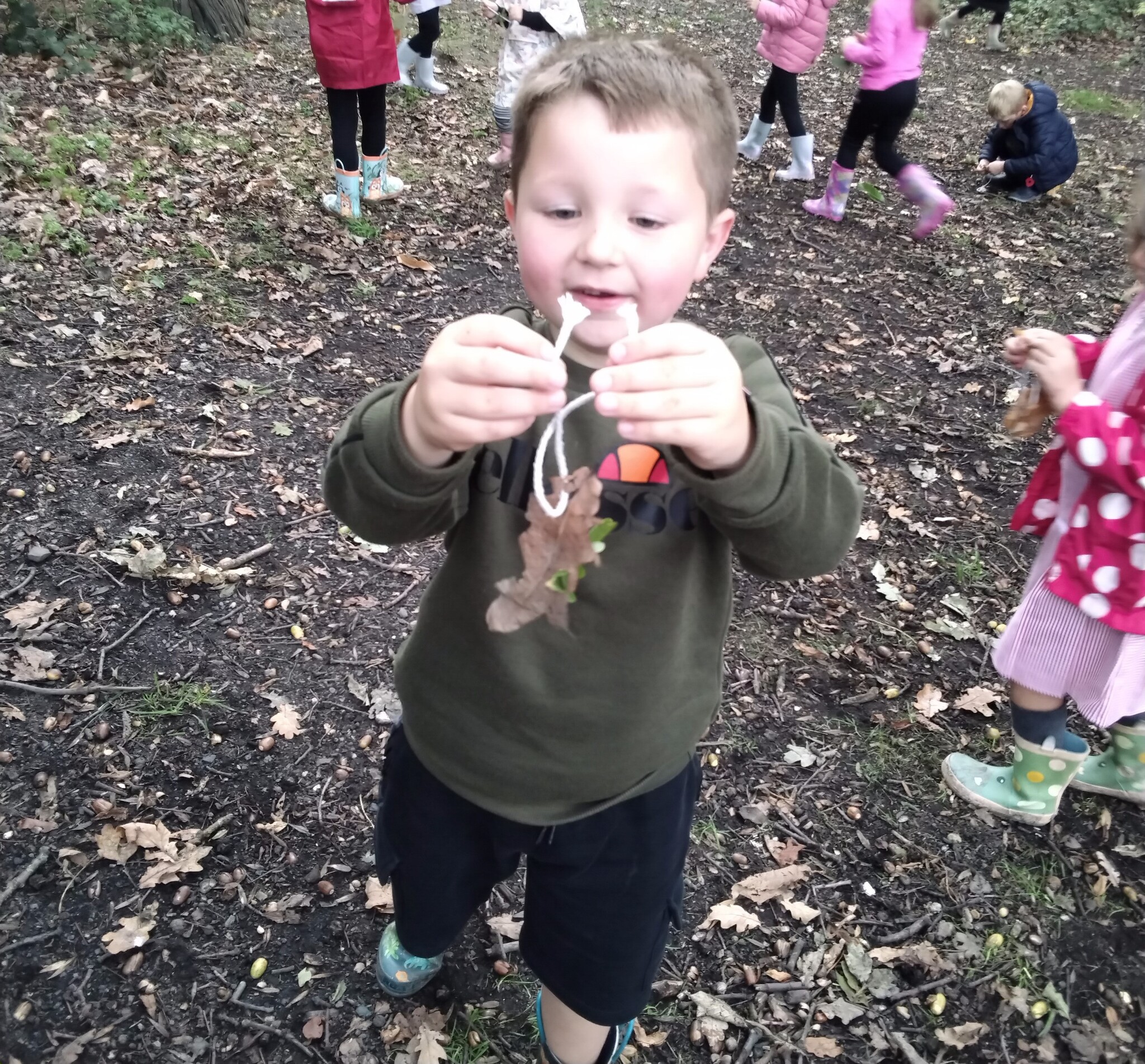
Creating natural crafts, such as leaf prints, clay tree spirits, and woven stick frames
Tracking wildlife by searching for prints, feathers, trails, and habitats
Exploring the woodland through scavenger hunts, sensory walks, and seasonal investigations
Storytelling around the fire circle, letting imaginations grow as tall as the trees
Using simple tools safely, like peelers to whittle sticks
Learning about plants and trees, discovering how nature changes through the seasons
Working together, problem-solving, and building friendships through shared challenges
These experiences spark curiosity, resilience, creativity, and joy.
The Benefits of Being Outdoors
Learning in the woodland:
- Improves children’s mood and emotional well-being
- Reduces stress, anxiety, and anger
- Helps children relax and “reset”
- Builds physical health through active movement
- Increases confidence and self-esteem
- Encourages teamwork, communication, and positive relationships
- Boosts focus and concentration once back in the classroom
Our Forest School approach supports HGPS by strengthening:
- Relationships Policy (Trauma-Informed Approach)
- Active Charter
- Rationale for RSHE
- Rationale for Cultural Capital
- Rationale for SMSE
- Behaviour & Anti-Bullying Policy
Our Forest School Gallery
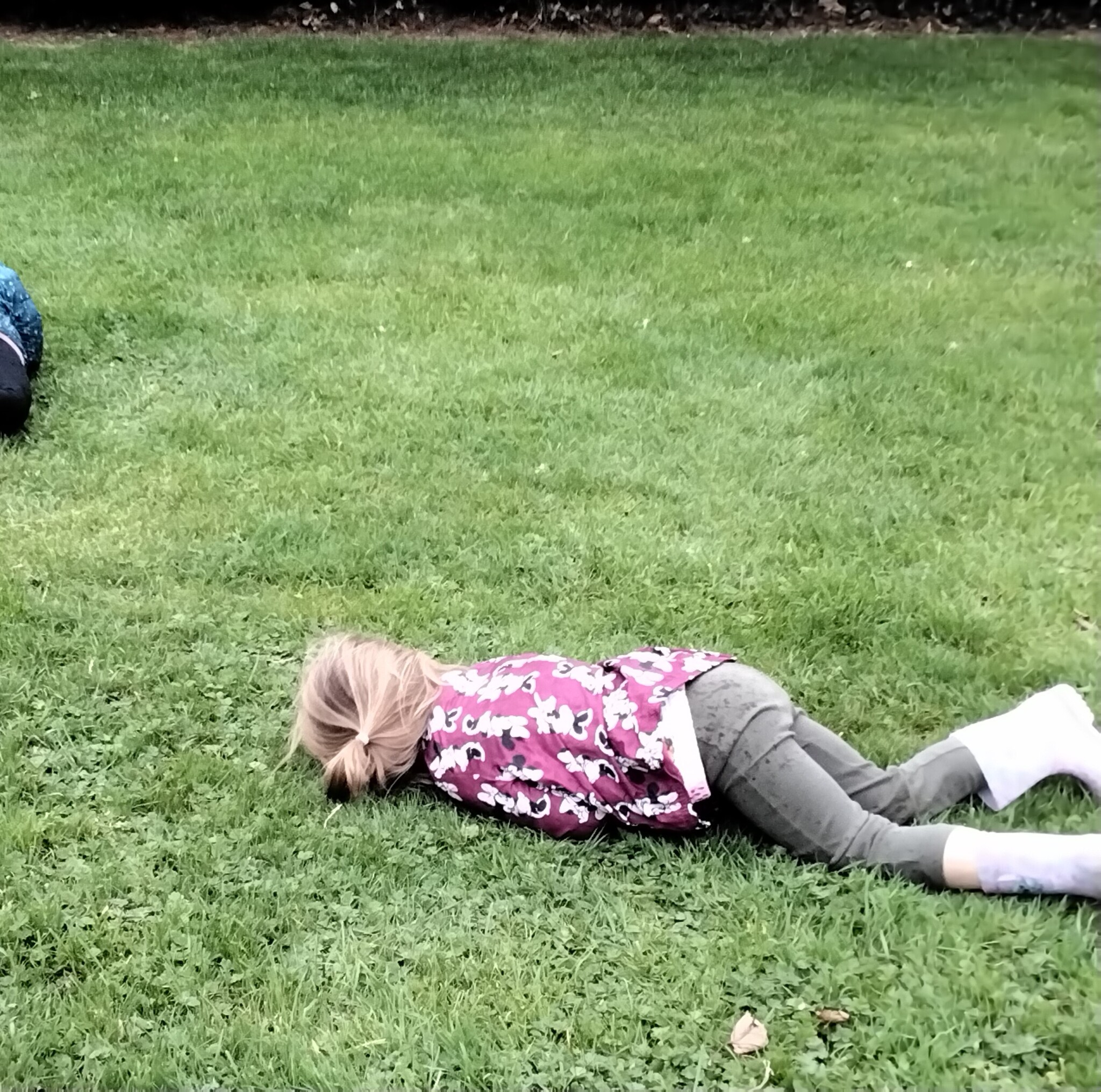
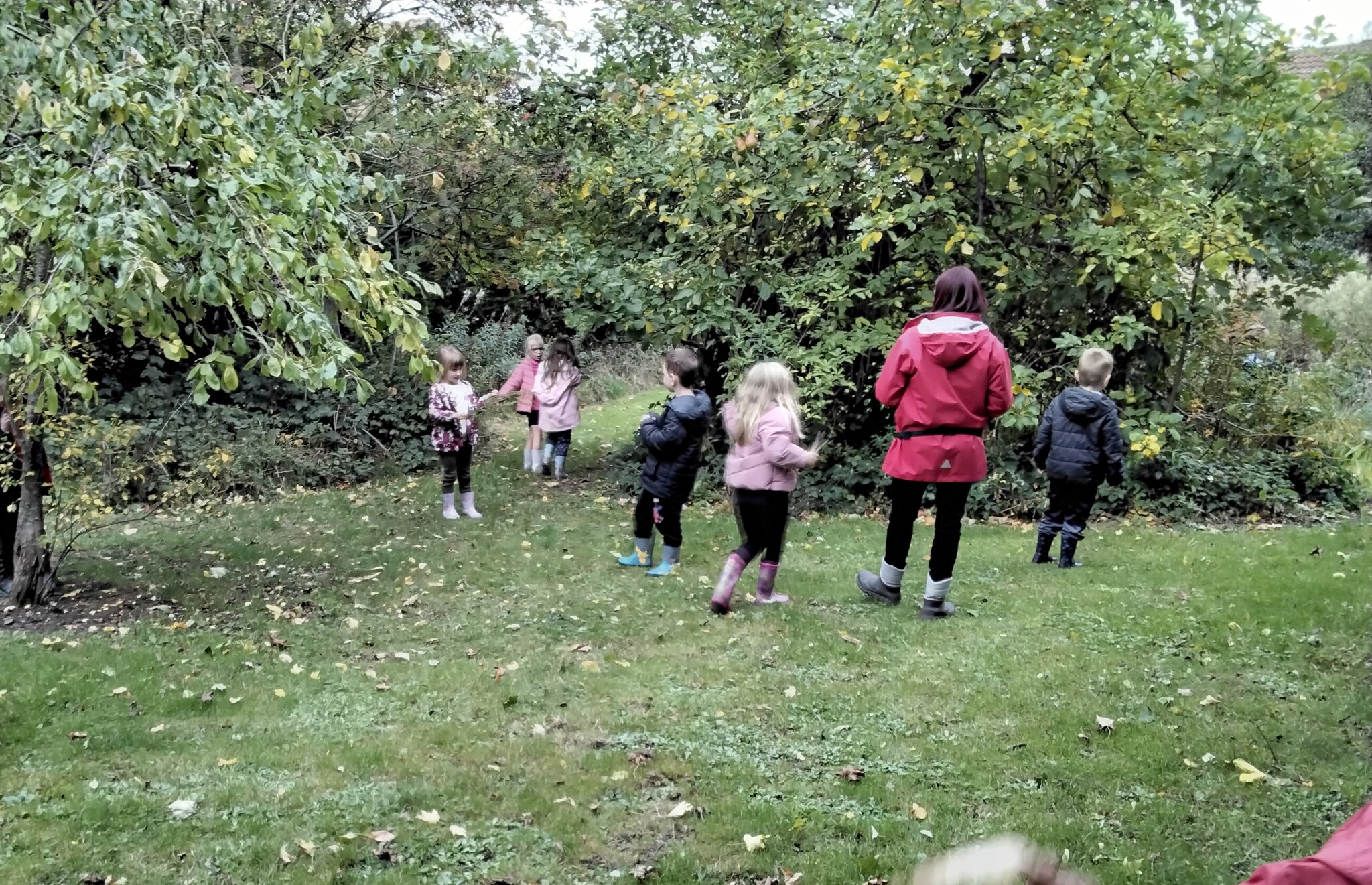
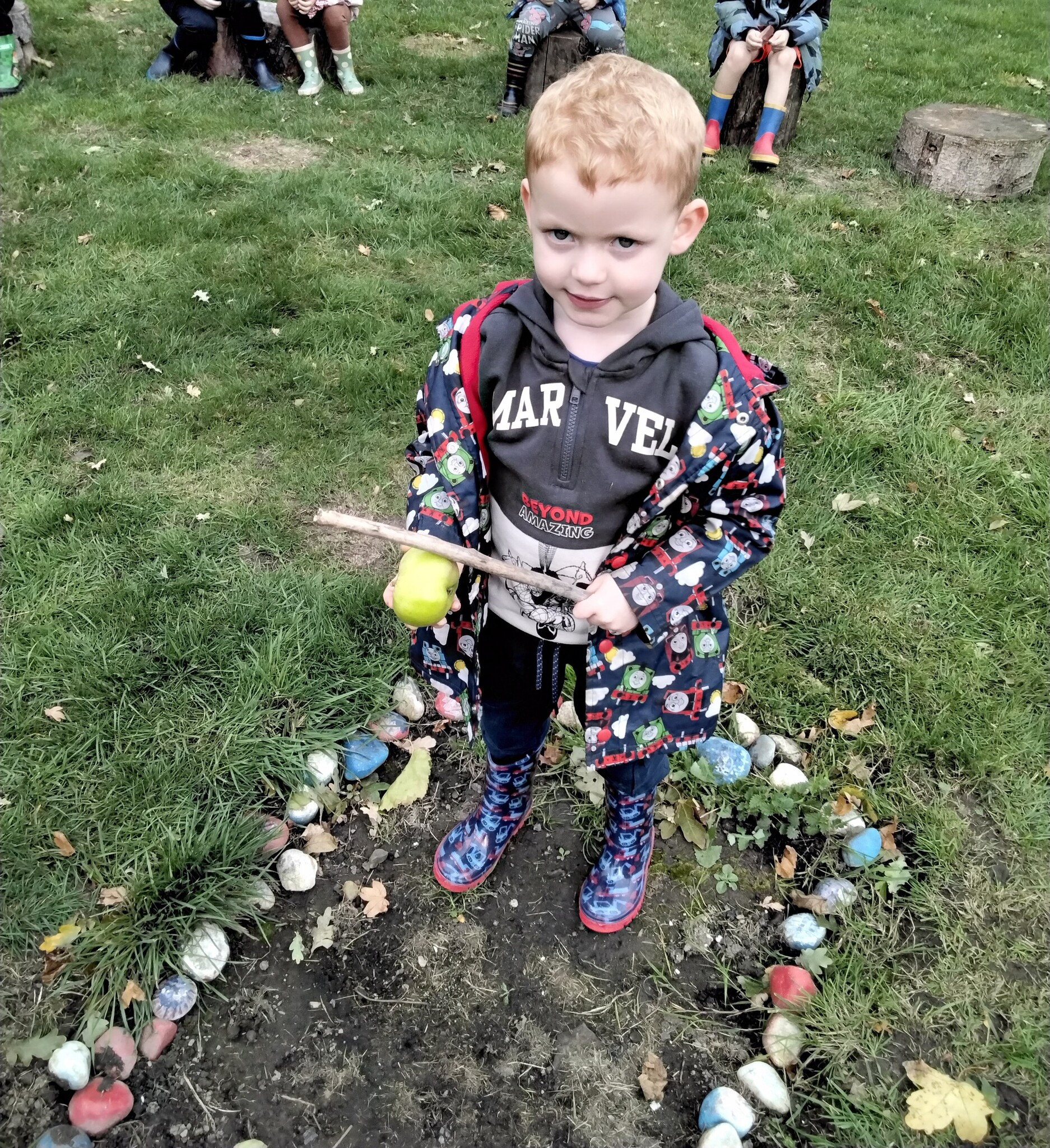
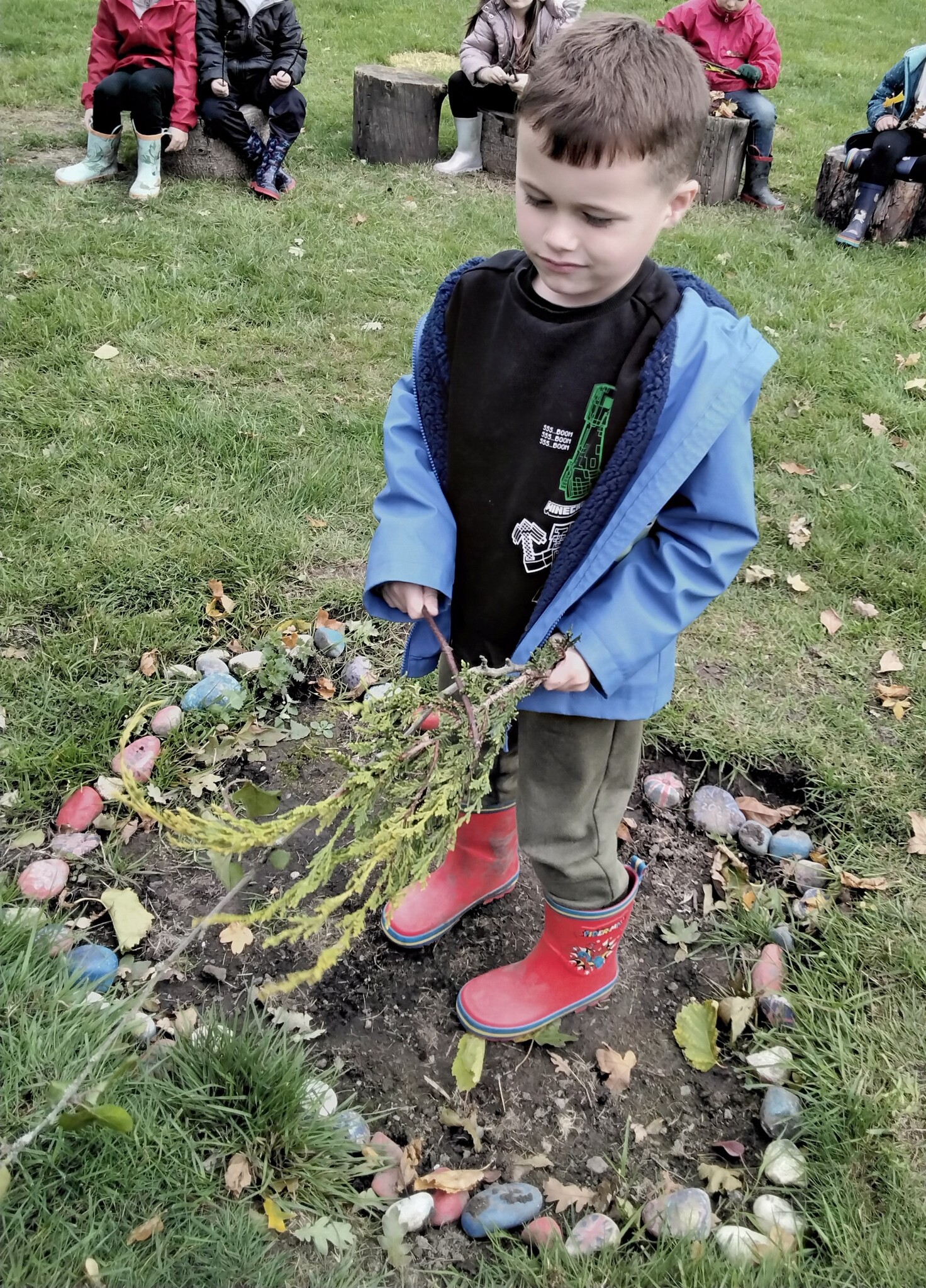
Forest School Y1 October 2025